
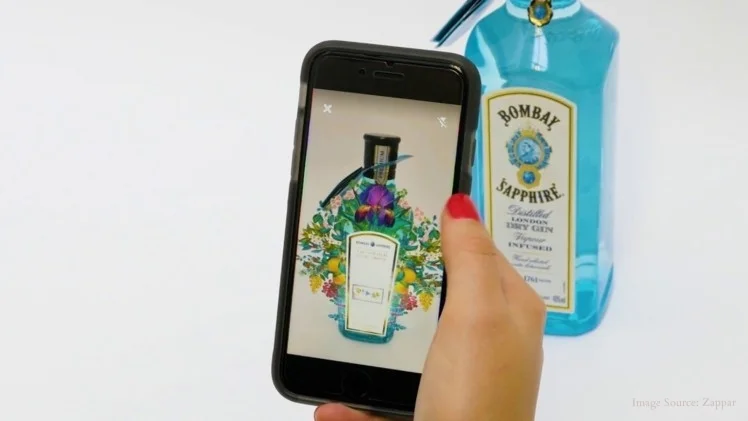
As an FMCG marketer, graphic designer or account manager, you know that it is imperative to engage consumers with unique experiences to maximize brand impact. I am the founder of Aisle Profile, a marketing insights company, and passionate about how technology, augmented reality in particular, is shaping the future of the packaging industry.
In his Packaging Digest article, AR and VR in Packaging: Beyond the Buzz, Rick Lingle outlines that augmented reality is a new way to create excitement for brands, turning passive products into intelligent packaging. The global VR / AR industry is expected to grow to $108 billion by 2021, “with AR taking the lion’s share of $83 billion and VR at $25 billion”. That being said, companies should not just jump on the AR filter bandwagon. It is important that the AR execution is worthwhile and relevant for the consumer, otherwise it could be seen as a gimmick, so think beyond a Snapchat filter, look to find an everyday problem you can solve.
Getty Images
According to Jeremy Pounder’s article, The future of AR and its implications for brands on Zappar, Apple’s ARKit & Google’s ARCore (Android) will make the creation of AR experiences much more accessible for innovators & creators. Further, research has found that, “over half (55%) of smartphone users agreed that ‘it would be a good thing if you could point your phone at any object and get additional information’”. So what are you waiting for!?!
Here are 3 reasons you should add AR to your packaging:
1. Extend your packaging real estate – Once all mandatory elements are in place, often little room remains for the product’s romance copy, AR allows for a connected package that offers an opportunity to communicate additional value-added material beyond the pack. Examples: SIG water Carton & 19 Crimes Wine & Bombay Sapphire Gin.
2. Increase social engagement with your brand – By adding “layers” to your package you can move from a passive experience to unique immersive experience that consumers are likely to share. Example: Fanta & Red Bull.
3. Consumers want it – They are equipped with a smartphone and looking for experiences to help them make better purchase decisions. The likes of Pokémon Go and Snapchat filters have primed them, they are ready.
In summary, AR is a relatively new technology, but it is becoming more mainstream. There is a learning curve, but many brands are already adopting it and winning in their markets - could be a worthwhile endeavor, but the execution needs to be right.

Paula Murray is an independent marketing consultant who built Aisle Profile to address a gap in the branding agency marketplace; providing North American category overviews with focus on competitive landscape, insights, and trends; functioning as a strategic extension of creative agencies and marketing firms. She has a passion for great marketing campaigns, exploring the world and engaging in random acts of kindness.